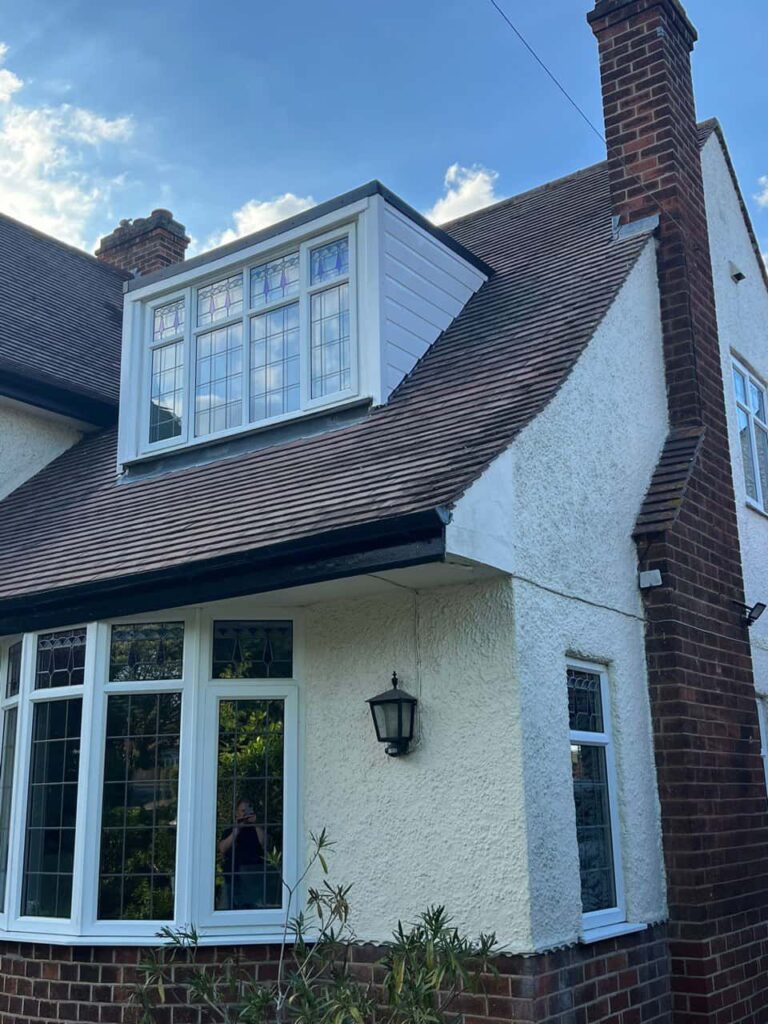
When people think about a roof, they often focus on the tiles or slates that form its outer covering. However, some of the most important components are far less noticeable. Lead flashing is one of these essential elements, playing a vital role in keeping a roof weatherproof and protecting vulnerable areas from water ingress. Although it occupies only small sections of the roof, its contribution to the overall performance of the roofing system is significant.
For homeowners in Kingswinford, Staffordshire, understanding the purpose of lead flashing can help highlight why regular inspections and timely repairs are so important. At Kingswinford Roofing Repairs, we provide professional lead flashing installation, maintenance and repair services to ensure roofs remain secure and watertight.
What Is Lead Flashing?
Lead flashing is a durable material installed wherever two parts of a roof meet or where roofing materials join another structure, such as a chimney or wall. It creates a flexible, weather-resistant seal that prevents rainwater from entering gaps and joints.
Lead is commonly used because it offers:
- Excellent durability
- Flexibility to accommodate movement
- Strong resistance to weathering
- A long service life
These qualities have made lead flashing a trusted roofing material for generations.
Why Lead Flashing Is Essential
Some areas of a roof are naturally more vulnerable than others. Junctions, changes in roof level and roof penetrations all present opportunities for water to enter if they are not properly protected.
Lead flashing helps to:
- Create watertight seals
- Direct rainwater away from vulnerable areas
- Protect roof structures from moisture
- Maintain the roof’s overall weather resistance
Without effective flashing, even a well-built roof could develop leaks.
Common Locations for Lead Flashing
Lead flashing is installed in several important parts of a roofing system.
These include:
- Around chimneys
- Roof valleys
- Roof-to-wall junctions
- Dormer windows
- Abutments where different roof sections meet
Each of these areas requires additional protection because they are exposed to concentrated water flow or changes in roof direction.
Protecting Chimneys from Water Ingress
The point where a chimney passes through the roof is one of the most common locations for leaks. Small gaps can allow rainwater to penetrate the roofing system if they are not properly sealed.
Lead flashing around chimneys helps:
- Prevent water entering the roof space
- Protect surrounding roof timbers
- Maintain a weatherproof seal
- Accommodate natural movement between materials
Properly installed chimney flashing is essential for long-term roof performance.
Supporting Roof Movement
Buildings naturally expand and contract due to seasonal temperature changes. Roofing materials also move slightly over time.
Lead flashing performs particularly well because it:
- Remains flexible
- Adapts to minor structural movement
- Maintains its weatherproof seal
- Reduces the likelihood of cracking
This flexibility helps extend the lifespan of the roofing system.
Recognising Signs of Damaged Flashing
Like all roofing components, lead flashing should be inspected periodically to ensure it remains in good condition.
Possible warning signs include:
- Visible gaps around flashing
- Loose or lifted sections
- Water stains inside the property
- Persistent leaks near chimneys or roof junctions
Addressing these issues promptly helps prevent more extensive damage.
Why Professional Installation Matters
The effectiveness of lead flashing depends heavily on correct installation. Poorly fitted flashing may fail to provide a reliable seal, allowing moisture to enter vulnerable areas of the roof.
Professional installation ensures:
- Accurate fitting
- Secure weatherproof joints
- Proper integration with roofing materials
- Reliable long-term protection
At Kingswinford Roofing Repairs, we provide professional lead flashing services throughout Kingswinford, Staffordshire. Our experienced team ensures every installation and repair is completed to a high standard using proven roofing techniques.
Regular Inspections Help Extend Roof Life
Routine roof inspections allow lead flashing to be checked before small issues develop into larger roofing problems. Identifying signs of wear early can help maintain the roof’s weather resistance and reduce the need for more extensive repairs.
Preventative maintenance is one of the most effective ways to maximise the lifespan of both the flashing and the roof as a whole.
Conclusion
Lead flashing is one of the most important components of any roofing system, providing essential protection where roofs are most vulnerable to water ingress. Its durability, flexibility and weather resistance help safeguard chimneys, roof junctions and valleys, ensuring the roof continues to perform effectively in all weather conditions.
For homeowners in Kingswinford, Staffordshire, maintaining lead flashing is an important part of preserving the overall condition of the roof. If you have concerns about existing flashing or require professional installation or repairs, Kingswinford Roofing Repairs can provide expert advice and reliable roofing solutions tailored to your property. Contact our team today to arrange a thorough roof inspection and keep your roof fully protected.
Call us on: 01384 319 097
Click here to find out more about Kingswinford Roofing Repairs
Click here to complete our contact form and see how we can help with your roofing needs.